
Buying-guides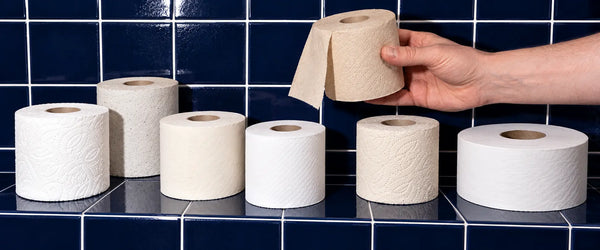
The 7 Main Types of Toilet Paper, Explained
The seven main types of toilet paper are virgin wood pulp, recycled, bamboo, sugarcane (bagasse), bleached, unbleached and specialty rolls.
Oct 12, 2026Read →
Straight answers about what touches your butt, septic safety, bleaching chemistry, PFAS, RV tanks and real cost math.
The seven main types of toilet paper are virgin wood pulp, recycled, bamboo, sugarcane (bagasse), bleached, unbleached and specialty rolls.
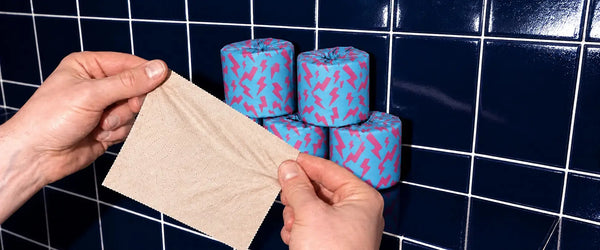
Ply is layers, GSM is weight, sheet count is quantity, and terms like ECF, wet strength, and FSC describe bleaching, dispersal, and sourcing.
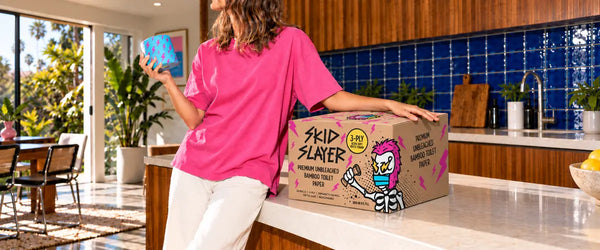
People switch to bamboo toilet paper mainly because it is tree-free, skips bleaching, uses plastic-free packaging, and performs like regular tissue.
Ranked by what is actually inside, unbleached bamboo brands lead, white bamboo sits mid-pack, and conventional virgin-pulp brands add more.
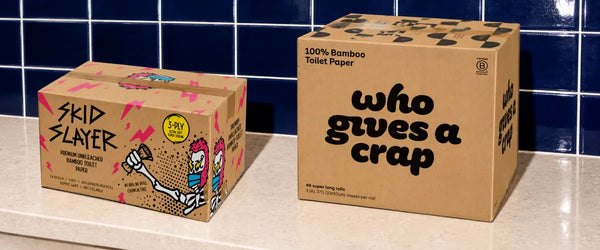
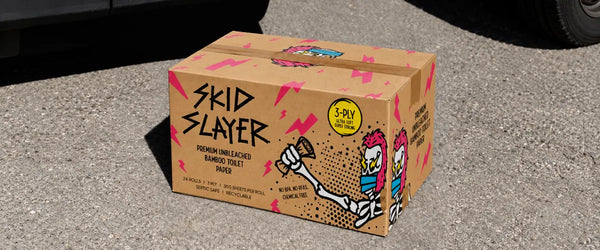
Skid Slayer is unbleached 3-ply in flexible packs; Who Gives A Crap is bleached white 3-ply, cheaper in bulk, and gives 50% of profits to sanitation.
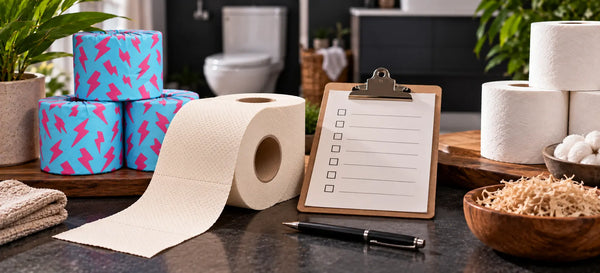
Before buying bamboo toilet paper, check ply, sheet count, bleaching, additives, certification, packaging, septic safety, origin, and true cost.
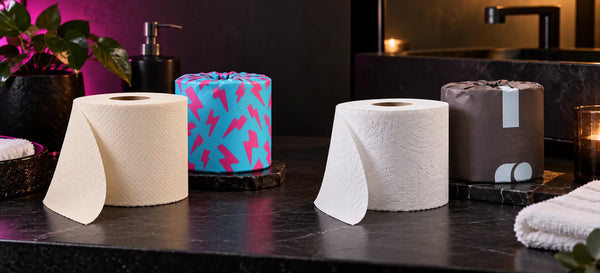
Skid Slayer and Reel Paper are nearly identical 3-ply, 300-sheet bamboo rolls. The key difference: Skid Slayer is unbleached, Reel is bleached white.
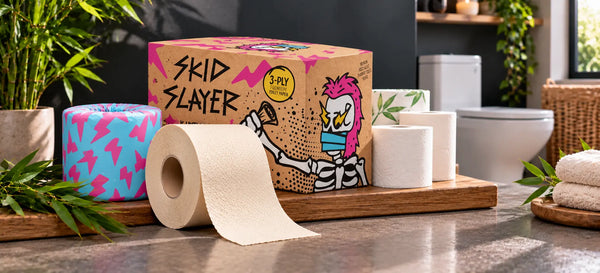
The best bamboo toilet paper depends on your priority: unbleached purity, price, bulk, or sheet count. We compare the top brands so you can choose.
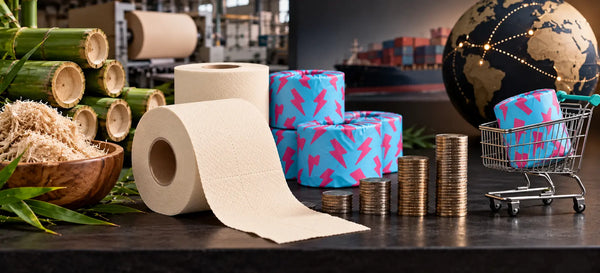
Bamboo toilet paper often costs more because the fibre is imported, made at smaller scale, and sold plastic-free and direct, though prices vary by brand.
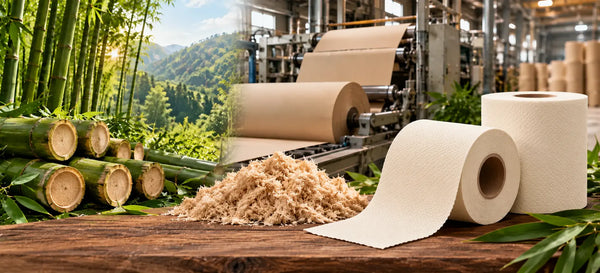
Most bamboo toilet paper is made in China, where the bamboo grows. Some brands finish or pack elsewhere, so check each brand's stated country of origin.
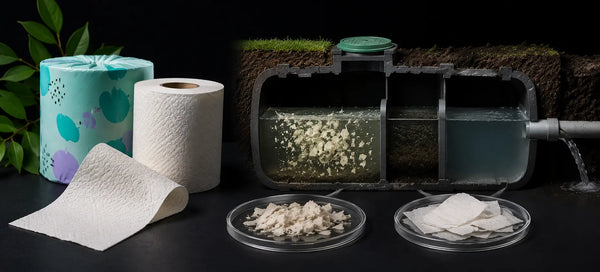
Yes. Who Gives A Crap makes 100% bamboo toilet paper that breaks down like other bamboo tissue, so it is fine for septic systems in normal use.
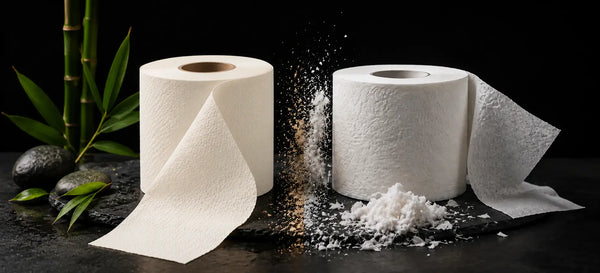
The real difference is the fibre: bamboo is a fast-growing grass that can be unbleached, while regular toilet paper is bleached wood pulp with added resins.
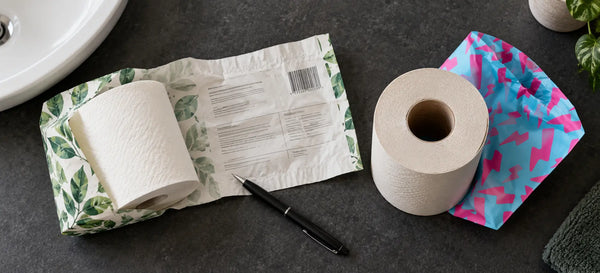
Watch for vague eco claims, hidden fibre or bleaching, added fragrance or dye, "chemical-free" hype, missing sheet counts, and no certification.
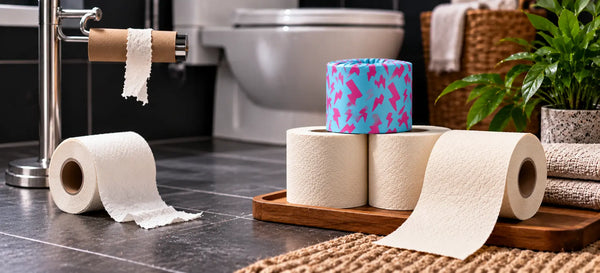
Switch your toilet paper if it irritates your skin, leaves lint, feels rough, reacts with fragrance or dye, wastes plastic, or costs more for less.
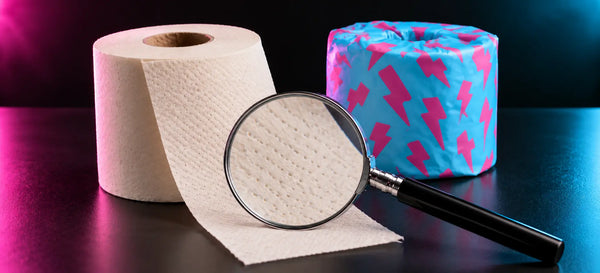
Hypoallergenic toilet paper is a marketing term with no fixed legal meaning. It usually implies fewer irritants, but check specific claims, not the word.
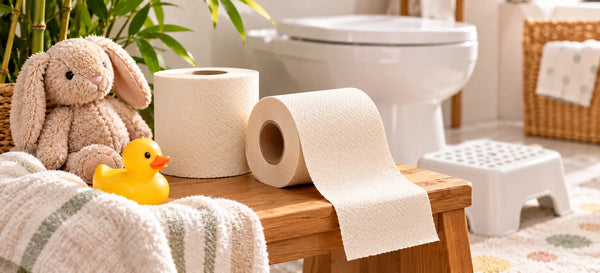
Yes, bamboo toilet paper is safe for kids. Plain, unbleached bamboo with no dyes or fragrance is gentle on delicate young skin and fine for potty training.
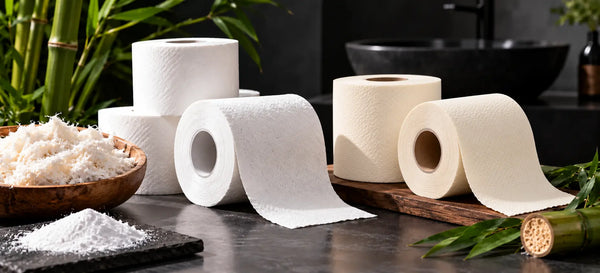
Most bamboo toilet paper is bleached white because shoppers expect toilet paper to look white. Bamboo is naturally tan; whiteness is a choice, not a quality.
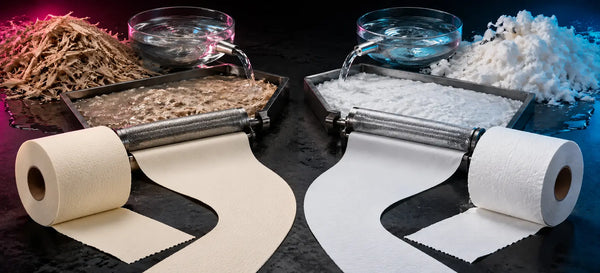
The difference is one manufacturing step: bleached toilet paper goes through a whitening stage that unbleached paper skips, so unbleached keeps a natural tan.
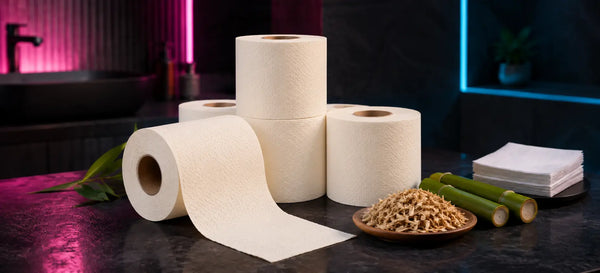
Bamboo toilet paper is brown because it is unbleached. Tan is the natural colour of bamboo pulp with its lignin left in, not a sign of dirt or low quality.
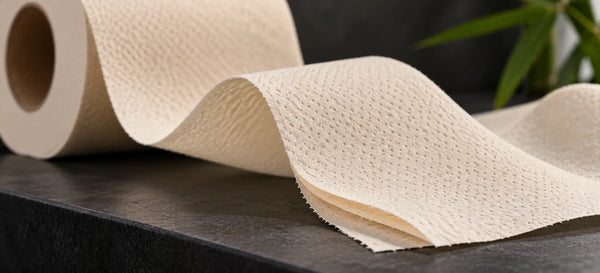
Bamboo tissue can be gentle because its fibre reaches softness with fewer added chemicals, not because bamboo is inherently soft. Construction matters too.
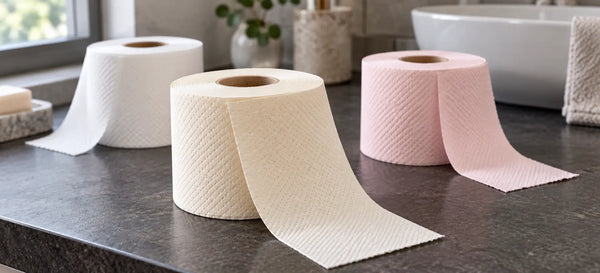
Dye-free means no colorant was added to the paper. White rolls are white from bleaching, not dye, so the term mainly matters for coloured or printed tissue.
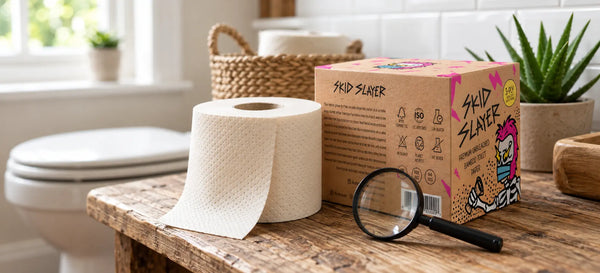
Bleach-free and additive-free are unregulated terms. Unbleached beats ECF and TCF, and only specific exclusions and certifications actually verify a claim.
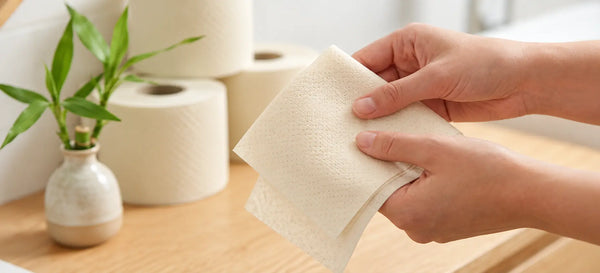
Yes. Quality bamboo toilet paper suits sensitive skin because of what it leaves out, fragrance, dye and bleaching, not because the fibre is special.
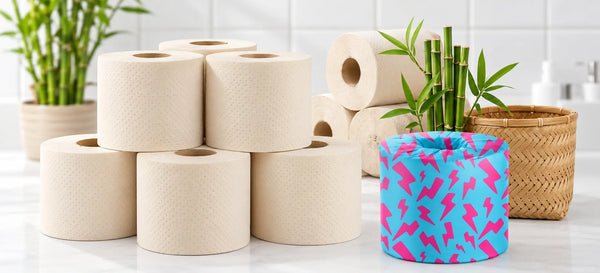
No. BPA reaches toilet paper through recycled thermal receipts, and virgin bamboo never enters that stream, so it has no BPA pathway to begin with.
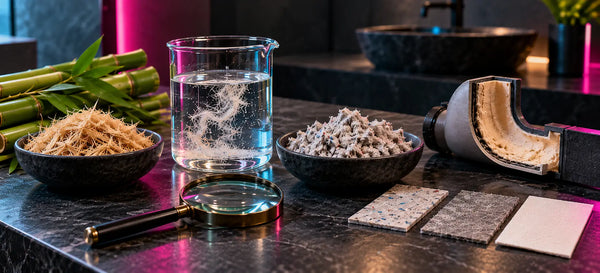
Yes, these are real: commercial toilet paper dates to 1857, an 1891 patent shows it goes over the top, and bamboo is the fastest-growing plant.
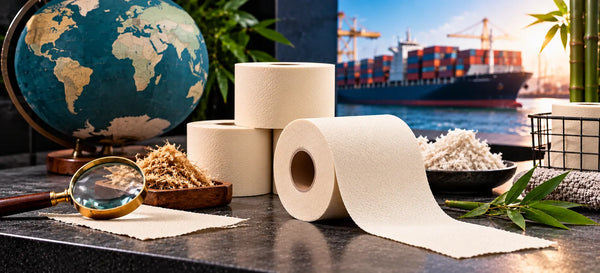
Almost all bamboo toilet paper is made in China. Genuinely non-China options are rare and hard to verify, so confirm any brand's origin directly.
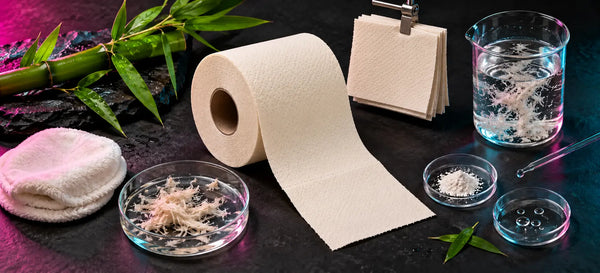
Most bamboo toilet paper myths are false: it is not rough, weak, or bad for pipes, and it does not harm pandas, though it is not chemical-free.
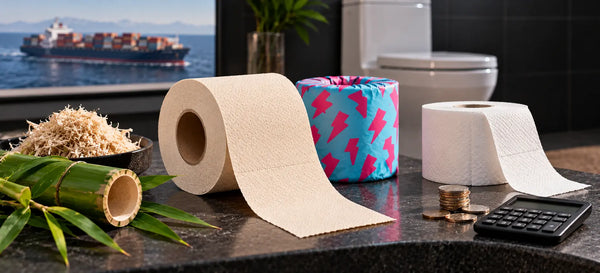
Mostly, no. The criticisms of bamboo toilet paper are a mix of fair points, like shipping and cost, and outdated myths worth separating out.
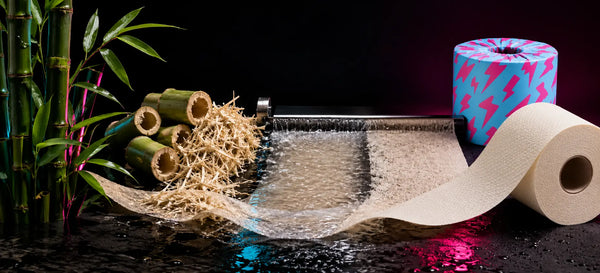
Bamboo toilet paper is made by harvesting fast-growing bamboo, pulping the stalks into soft fibre, then drying, creping, and winding it into finished rolls.
The highest-impact swap is whatever you buy most often. Only about 9% of plastic ever made has been recycled, so reducing beats sorting it correctly.
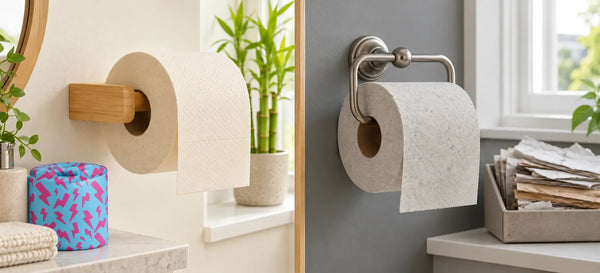
Neither wins outright. Bamboo avoids forest loss, recycled diverts waste, and recent lifecycle data shows the mill's energy source matters more than the fibre.
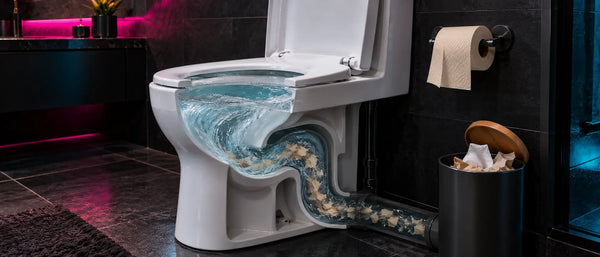
Plumbers wish you knew that only pee, poo and toilet paper belong in a toilet, wipes never break down, and a running toilet is a cheap fix.
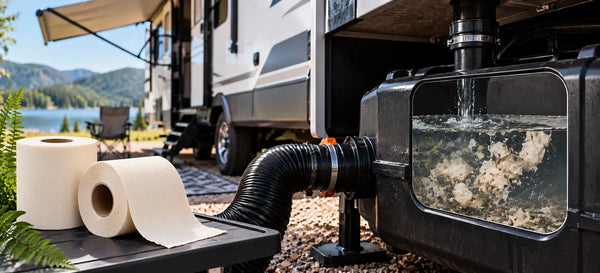
Yes, bamboo toilet paper is RV safe if it breaks apart quickly. In a black tank, use a fast-dispersing roll, plenty of water, and a tank treatment.
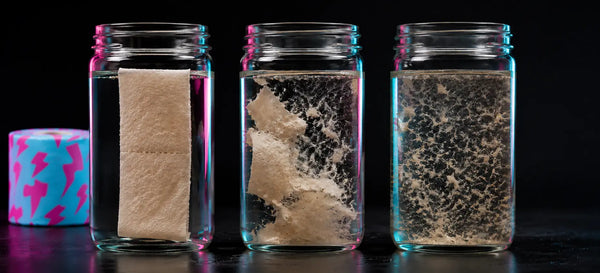
Bamboo toilet paper does not truly dissolve, it disperses, breaking apart in water within minutes. A timed jar test shows how fast your roll breaks down.
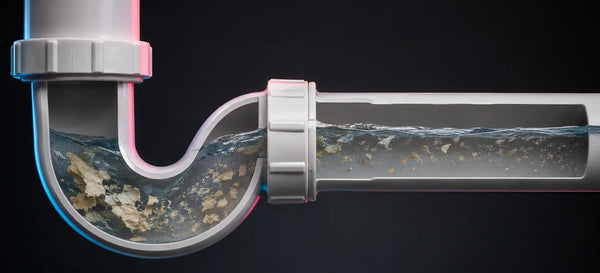
No, bamboo toilet paper does not block drains in normal use. It breaks apart in water like standard tissue, so it clears the drain rather than building up.
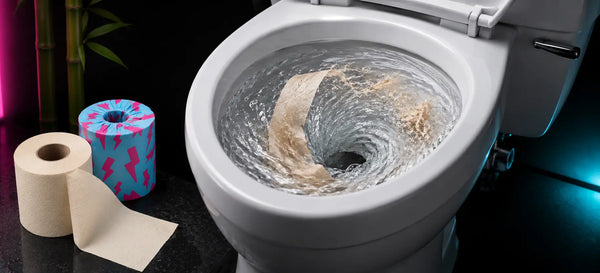
Yes, you can flush bamboo toilet paper. It is made to break down in water like standard tissue, so it flushes safely in normal household toilets.
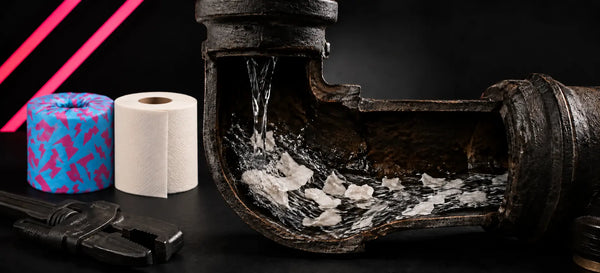
Yes. Bamboo toilet paper is safe for old cast-iron plumbing. Aging pipes clog from scale and corrosion, not the paper, and resin-free bamboo disperses fast.
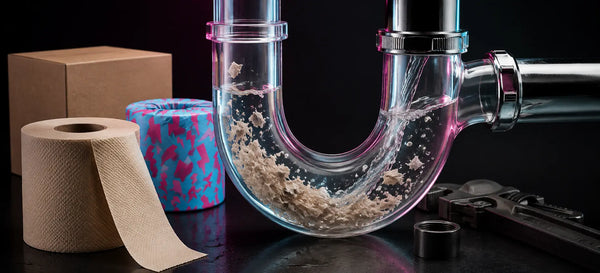
No. Bamboo toilet paper does not clog pipes any more than regular tissue, and usually less, because unbleached resin-free bamboo disperses quickly in water.
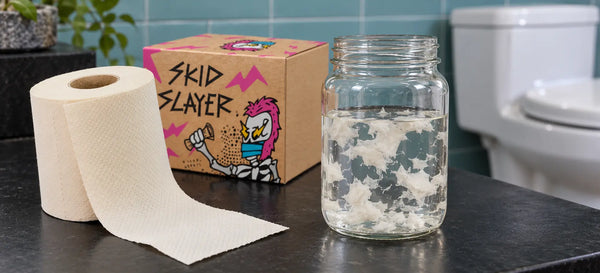
Yes. Bamboo toilet paper is septic safe because it uses no wet-strength resin or coatings, so it disperses quickly in water instead of holding together.
Unbleached 3-ply bamboo, 300 sheets a roll, septic safe, zero plastic, backed by a 30-day money-back guarantee.
Shop bamboo toilet paper