
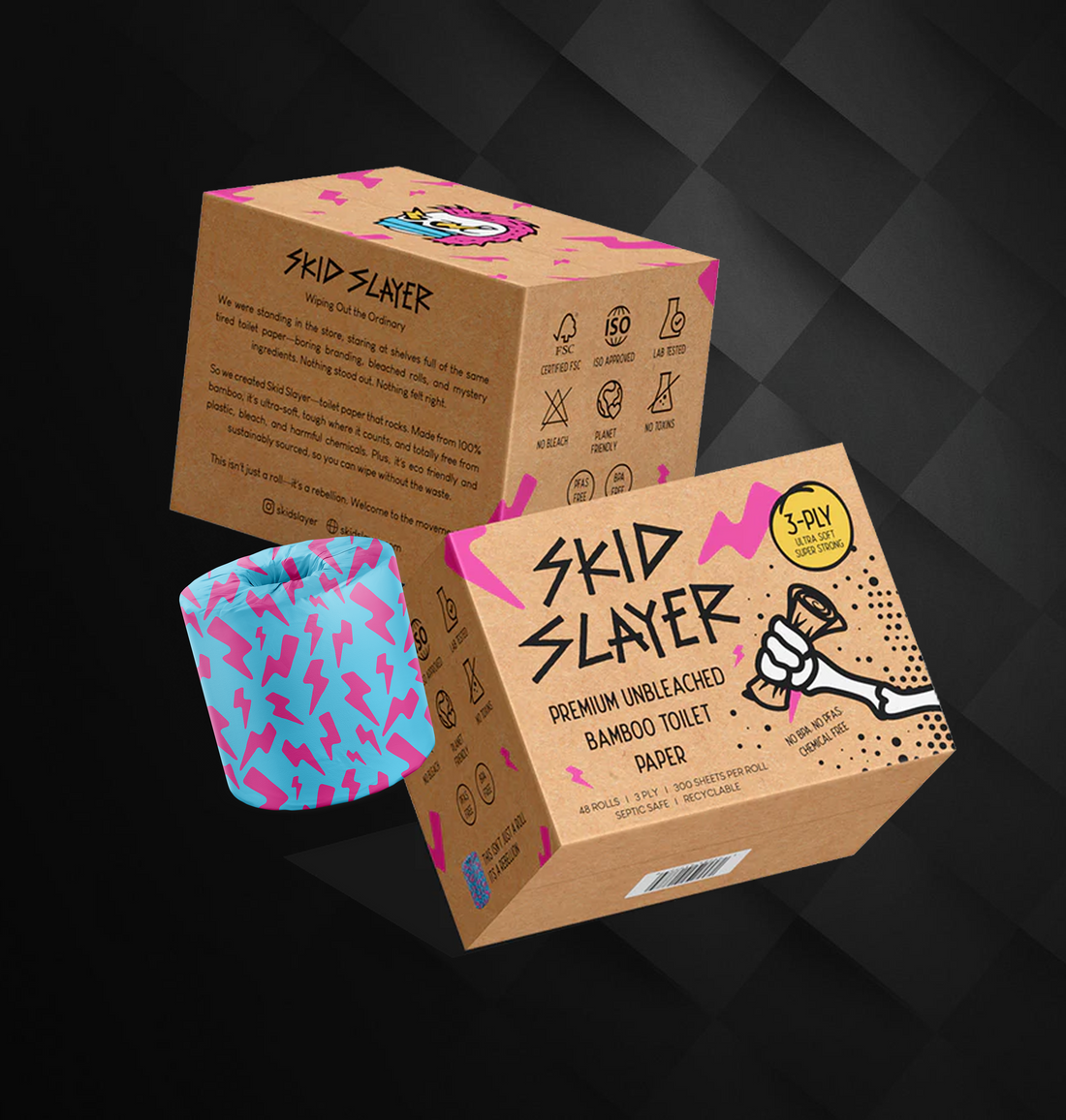
Bamboo Toilet Paper
$26.99
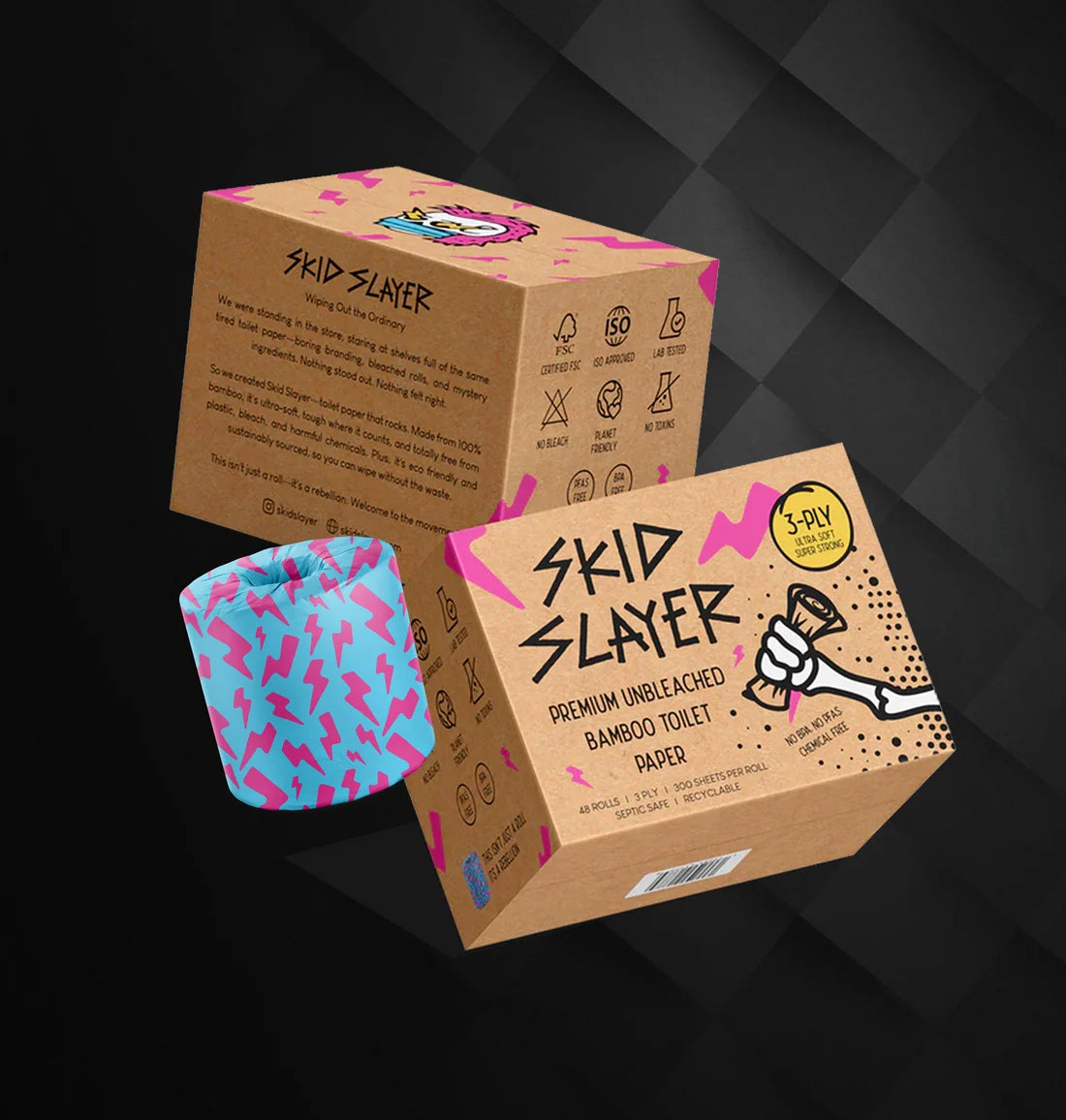
Every pack here is unbleached 3-ply bamboo with 300 sheets a roll, wrapped in paper instead of plastic. Pick a 12 or 24 roll pack as a one-off, or subscribe and save 15% on every delivery. All FSC-certified and safe for septic tanks, RVs and older plumbing.





Bamboo rolls vary more than the packaging suggests. Ply count, sheet size, bleaching method and wrapping all move independently, so two rolls that look identical on a shelf can behave very differently in a bathroom. Work through these five checks, in this order.
Sheet counts are the number brands advertise because they are easy to inflate — shrink the sheet and the count climbs. Coverage per pull is what actually determines how long a roll lasts. Compare cost per 100 sheets alongside sheet dimensions, and a 300-sheet roll with wide sheets regularly outlasts a 400-sheet roll of small squares.
FSC chain of custody tracks fibre from the harvested stand to the finished roll, so a certified pack cannot quietly blend in uncertified pulp. It does not certify softness, ply or safety — those are separate specifications. Treat FSC as proof of sourcing, then check bleaching and additives yourself.
Three fibre types dominate the shelf, and each solves a different problem. Match the fibre to what matters most in your bathroom rather than to the greenest-looking box.
| Type | Best for | Pros | Cons |
|---|---|---|---|
| Bamboo 3-ply | Sensitive skin, septic systems, plastic-free households | Strong and soft; regrows in 3 years; dissolves fast; no bleach needed | Costs more per roll than supermarket 2-ply |
| Recycled | Lowest-footprint option on a tight budget | Diverts paper waste; widely stocked; cheap | Shorter fibres feel rougher; can carry BPA from receipt pulp |
| Virgin wood pulp | Buyers who want maximum plushness and nothing else | Very soft; cheapest per roll | Hardwood takes ~30 years; usually bleached, dyed or fragranced |
| Bidet + TP | Cutting paper use to a minimum long term | Uses the least paper overall; gentlest on skin | Upfront install cost; you still need paper to dry |
Bamboo, by a clear margin. Its fibres separate quickly once submerged, so paper moves through traps, pumps and macerators instead of collecting in them. Thick virgin-pulp tissue is the usual culprit behind blocked septic fields and RV black tanks. If you are on septic, prioritise dissolve speed over plushness — what makes toilet paper septic safe covers the testing in detail.
Average use is roughly 100 sheets per person per day. Find your household, then match the pack to it so you are never rationing squares on a Sunday night.
| Household | 12 rolls lasts | 24 rolls lasts | Pick this |
|---|---|---|---|
| 1 person | ≈ 5 weeks | ≈ 10 weeks | 24 rolls, every 2 months |
| 2 people | ≈ 2.5 weeks | ≈ 5 weeks | 24 rolls, every 1–2 months |
| Family of 4 | ≈ 9 days | ≈ 2.5 weeks | 2 × 24 rolls, every 2 months |
| Share house of 6 | ≈ 1 week | ≈ 2 weeks | 2 × 24 rolls, monthly |
Set the interval slightly shorter than your run-out point so a spare pack is always in the cupboard. If a delivery arrives early, skip the next one from your account — it takes a tap and costs nothing. Guests, illness and holidays all move usage, so the first two cycles are worth watching before you settle.
For most households, yes. Bamboo costs more per roll than supermarket 2-ply, but the sheets are stronger and wider, so you pull fewer of them. Judged per 100 sheets rather than per roll, the gap narrows sharply, and a subscription closes it further. You also avoid chlorine bleaching, plastic packaging and hardwood pulp, which is the real reason most people switch and stay switched.
They solve different problems. Recycled diverts existing paper waste and is usually cheapest, but the fibres are short, which makes the sheet rougher, and pulp sourced from thermal receipt paper can carry BPA. Bamboo uses a fast-regrowing crop with long fibres, so it is both stronger and softer without additives. If comfort and skin sensitivity matter, bamboo wins; if the absolute lowest cost matters most, recycled still has a case.
Keep it dry and out of direct sunlight. Because there is no plastic film, the paper wrapper will draw moisture in a steamy bathroom or damp garage over time, which softens the roll before you get to use it. A linen cupboard, shelf or under-sink cabinet works well. Stored properly there is no expiry date, so buying a larger pack carries no risk of waste.
Three reasons stack up. Bamboo pulp is processed in fewer mills than wood pulp, so the raw fibre costs more. Chlorine-free bleaching and plastic-free wrapping both add cost that conventional lines avoid. And 3-ply uses more fibre per sheet than 2-ply. What offsets it is usage — wider, stronger sheets mean fewer pulls, so the cost per wipe lands much closer than the shelf price suggests.
The straight answer, a timed jar test, and what plumbers actually recommend.
Read the guide → IngredientsUnbleached, explained — and what bleaching leaves behind in white rolls.
Read the guide → ComparisonSoftness, BPA risk and real cost per wipe — tested side by side.
Read the guide →If Skid Slayer is not the best roll in your bathroom, email us within 30 days for a full refund. Keep the paper — we are not asking for used toilet roll back.
Shop the packs